Imagine standing two hundred and fifty feet above a sprawling Texan plain. The wind does not just blow at this altitude; it pushes against you like a physical wall. You grip the cold, galvanized steel ladder of the turbine nacelle, feeling the deep, rhythmic hum of massive fiberglass blades vibrating straight through your heavy work boots. Out here in the open sky, the margin between a routine maintenance morning and a catastrophic freefall is measured entirely by the tension of woven nylon wrapping your shoulders and thighs.
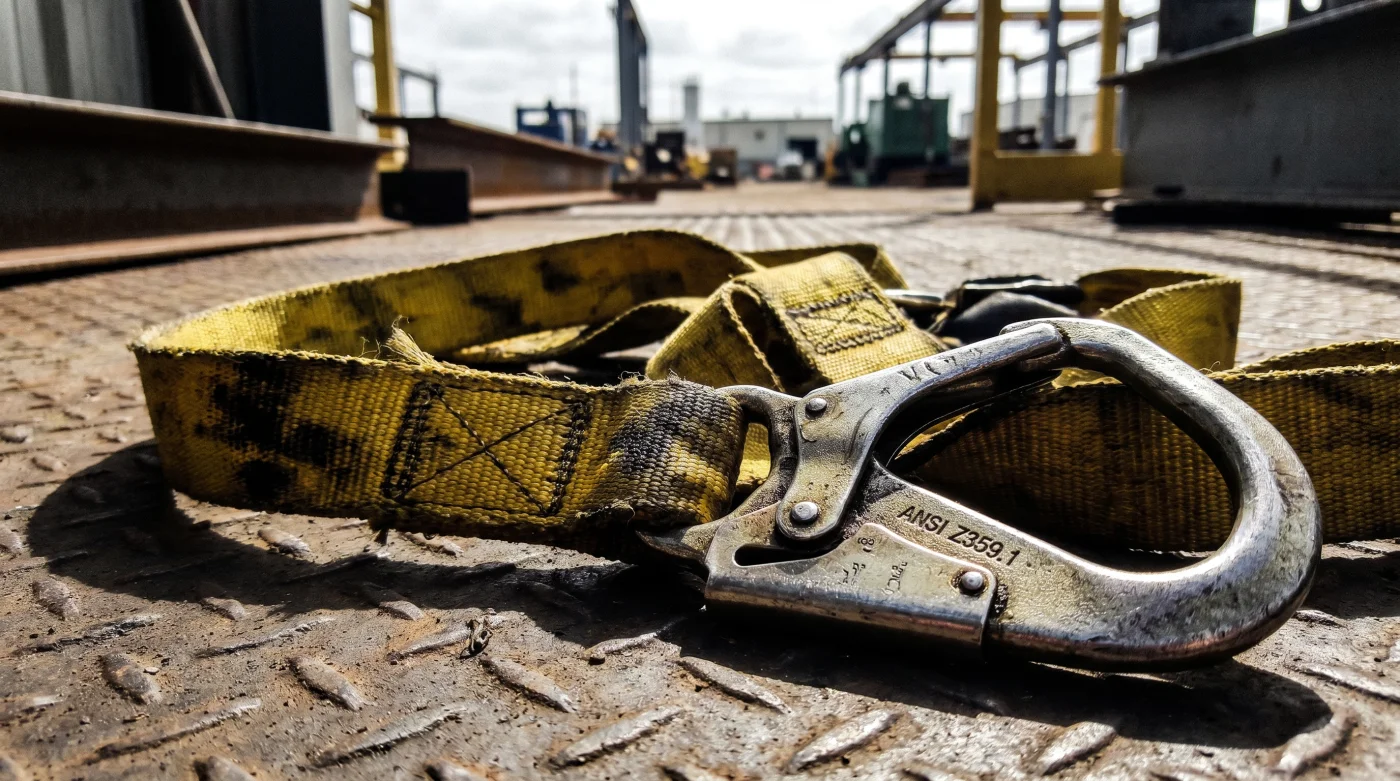
In standard residential or commercial construction, a fall arrest system is often treated as a bureaucratic box to check before the framing begins. Up on a wind turbine, it functions as a secondary human skeleton. Wind technicians rely on an incredibly specific matrix of forged steel D-rings, dorsal attachments, and sewn-in trauma-relief straps that standard roofing crews simply never require. You are quite literally wearing your life insurance every time you clip onto the peg rail.
But right now, trying to actually acquire that life insurance feels like hunting for steady rain in a desert. As the renewable energy sector frantically accelerates its national hiring to meet booming grid demands, the physical protective gear required to keep those new hires alive is vanishing from industrial warehouse shelves. It is a quiet, frustrating crisis happening strictly behind the scenes of the green energy boom, halting projects before they even break ground.
You might intuitively expect a massive national infrastructure pivot to stall over complex zoning permits, raw lithium shortages, or untested battery technology. Instead, current Google Trends data signals a completely different, highly analog bottleneck: a sudden, breakout surge in high-altitude industrial equipment procurement that global manufacturers simply cannot keep up with. The hiring spike is hitting a nylon wall.
The Nylon Bottleneck
For decades, we viewed the expansion of renewable energy as a purely technological puzzle. The operating assumption was that if engineers could design lighter turbine blades and frictionless gearboxes, the wind industry would automatically scale to meet the demand. But a massive industrial tower does not assemble or maintain itself. It requires thousands of human hands working in brutally extreme, vertical environments where gravity is a constant threat.
The perspective shift happens when you realize the equipment shortage is not just a minor logistical hiccup for a purchasing department. The specialized safety harness is the literal key to the sky. You cannot legally or ethically send a technician up a tower without a certified, multi-point fall arrest system designed specifically for the unique hazards of wind energy work. When the supply of these highly specific harnesses dries up, the hiring freezes, construction stalls, and the entire green transition waits on the textile loom.
- Ring lights destroy webcam focus during virtual corporate job interviews
- Standing desks create severe lumbar compression without anti-fatigue floor mats
- Noise-canceling headphones degrade auditory awareness during critical remote team meetings
- Resume paper texture causes errors in automated applicant scanning machines
- Cubicle walls originally aimed to increase freedom for corporate employees
Consider the recent reality facing Elias Thorne, a 41-year-old site director overseeing a major new wind farm installation across the windy corridors of western Iowa. Last month, Elias hired a crew of twenty fresh, eager technicians ready to scale the towers and bring the grid online. He had the utility trucks fueled, the torque tools calibrated, and the payroll secured. But when he tried to order the specialized Class A and Class L safety harnesses required by stringent occupational standards, he was met with a devastating six-month backorder. His multi-million dollar operation was effectively grounded by a shortage of woven webbing and metal clips. It is a frustrating reality echoing across the entire country, transforming grounded procurement managers into frantic treasure hunters.
Navigating the High-Altitude Squeeze
The shortage does not hit everyone in the field in the exact same way. The massive market signal indicates a massive rush on premium, turbine-specific gear, but the actual daily fallout creates distinct, localized challenges depending on where you fit into the hierarchy of the renewable energy sector. The squeeze demands different survival tactics for different roles.
For the Independent Contractor
If you are an independent traveling technician bouncing between seasonal wind farm contracts, this shortage directly threatens your immediate livelihood. You are frequently expected to provide, or at least rapidly replace, your own perfectly fitted gear. If your current harness nears its strict manufacturer expiration date, or if you spot a faintly frayed edge during a sunrise inspection, finding a certified replacement before your next contract begins requires weeks of aggressive searching across obscure, niche industrial supply catalogs.
For the Training Academies
Wind tech schools and community college certification programs are currently experiencing record enrollment, driven by aggressive federal incentives and a highly visible job market. Yet, students cannot legally complete their crucial tower rescue certifications without wearing the physical gear. Instructors are being forced into defensive equipment hoarding strategies, carefully rotating a severely dwindling supply of heavily worn harnesses among dozens of students, strictly monitoring the acceptable wear-and-tear limits to keep the curriculum moving.
For Corporate Procurement
Major national energy firms are quietly abandoning the standard practice of just-in-time purchasing. The intense current market forces them into aggressively buying up specialized climbing gear based on projected hires they plan to make two years down the line. This massive corporate buying power further starves the open market, drying up stock for smaller operations and creating a self-fulfilling cycle of scarcity.
Securing Your Vertical Lifeline
You cannot magically conjure up raw synthetic webbing and perfectly forged steel D-rings in your garage, but you can fundamentally alter how you manage your current inventory and long-term procurement strategy. Surviving this highly specific supply chain drought requires treating your existing fall protection gear with the meticulous, careful eye of a curator rather than treating it like disposable construction equipment.
- Implement a tactile micro-inspection: Before every single climb, slowly run your bare hands over every inch of the nylon webbing. You will feel dangerous micro-abrasions in the fabric long before your eyes catch them.
- Store in climate-controlled darkness: Never casually toss a harness into the bed of a sweltering work truck. Microscopic UV degradation from sunlight is the silent, number one killer of safety webbing integrity.
- Pre-order with a massive buffer: If your current harness has a manufacturer expiration date approaching at any point in the next twelve months, initiate the purchase order today.
- Verify crossover certifications: Some advanced climbing and specialized rescue harnesses originally designed for the telecommunications and cell-tower sector meet the exact same occupational safety limits required for wind energy.
Tactical Toolkit for the Shortage: Maintain your ideal gear storage temperature strictly between 50°F and 70°F, far away from direct, harsh sunlight or chemical solvents. Anticipate lead times of 16 to 24 weeks for premium, tower-specific harness brands, and adjust your contract bidding accordingly. When executing your monthly deep cleaning protocol, use mild soap and cold water only.
Above all else, remember that heat destroys synthetic integrity faster than physical strain. You must never apply high heat to dry the webbing after a rainstorm or a cleaning session; always let the harness air dry slowly in a well-ventilated, deeply shaded room. Preserving what you already own is currently your greatest professional advantage.
The Weight of the Wind
We are currently living through a massive, historic structural pivot in how our society generates and consumes power. Yet, the grand, sweeping arc of industrial history almost always hinges on the smallest, most remarkably granular physical details. The incredible current hiring surge in renewable energy is a brilliant triumph of modern engineering and domestic policy, but it remains fundamentally tethered to the physical limitations of the human body.
When you secure that final heavy chest strap and hear the solid, reassuring metallic click of the climbing carabiner, you are actively participating in a quiet friction between global ambition and physical reality. By carefully reading the market signals and managing your gear meticulously, you do infinitely more than just keep yourself legally compliant and physically safe. You personally ensure that when the wind finally blows across the open plains, there is actually someone securely up there ready to capture it.
In high-altitude energy work, your harness isn’t just a tool; it is your workplace, your safety net, and currently, the rarest commodity in the industry. — Elias Thorne, Site Director
| Key Point | Detail | Added Value for the Reader |
|---|---|---|
| Market Breakout | Surge in high-altitude gear procurement outpaces manufacturing. | Anticipate delays and secure contracts with gear limitations in mind. |
| Lifespan Extension | UV rays and heat degrade nylon faster than daily climbing. | Save thousands of dollars and bypass backorders through careful storage. |
| Crossover Gear | Telecom harnesses often meet identical safety ratings. | Broaden your search parameters to find available, certified inventory. |
Safety Harness Shortage FAQ
Why are wind turbine safety harnesses suddenly on backorder?
A massive surge in renewable energy hiring has outpaced the highly specialized manufacturing process required to forge the steel and sew the specific trauma-relief webbing these harnesses demand.Can I use a standard construction harness for wind tech work?
No. Turbine work requires multi-point fall arrest systems, specific dorsal attachments, and built-in suspension trauma straps to survive an emergency while dangling hundreds of feet in the air.How long are the current wait times for new gear?
Depending on the premium brand and specific sizing, backorders are currently ranging anywhere from 16 to 24 weeks across the United States.What is the fastest way to ruin a safety harness?
Leaving it in the back of a hot work truck exposed to direct sunlight. UV rays silently break down the synthetic fibers, rendering the harness unsafe long before it visibly frays.Are there alternatives if I cannot find wind-specific gear?
Yes, look into professional telecommunications and high-tower rescue harnesses. Many of these share the exact same stringent occupational safety certifications required for wind energy.