You sit staring at a glaring screen, a blinking cursor demanding a 500-word essay about your future. The fluorescent lights overhead hum a monotonous tune. It feels entirely abstract, like trying to grip water. You are attempting to summarize your eighteen years of existence into a tidy digital file that a stranger in an admissions office will scan for thirty seconds. This has been the expected rite of passage, the inevitable gateway to adult stability, heavily relying on abstract promises.
For decades, the rhythm of a high school senior’s spring was built around this quiet, anxious typing. You polished transcripts, chased recommendation letters, and prayed the admissions algorithm favored your zip code and extracurriculars. The physical world was quietly pushed aside, treated as a backup plan for those who supposedly could not handle the abstract rigors of a university lecture hall. You were trained to believe that success happens behind a desk.
But there is a different sound replacing the soft clatter of keyboards this quarter. It sounds like bacon frying in a cast-iron pan, accompanied by the sharp, metallic smell of ozone and melting steel. The search data from technical schools over the past few months tells a distinctly different story: the physical, sparking reality of a welding torch is suddenly outperforming the abstract promise of a liberal arts syllabus. Trade school traffic is surging, and the focus is overwhelmingly on manufacturing tools.
This isn’t just a slight deviation in seasonal interest or a passing internet trend. It is a massive, structural shift in career priorities, proving that the next generation of professionals wants to build something they can actually touch. The traditional application packet is losing its grip, replaced by an intense curiosity about safety gear, union apprenticeships, and the immediate earning power of skilled labor.
The Tangible Rebellion
The traditional four-year college track has long been sold as the only reliable bridge to adult stability. You were told that without a bachelor’s degree, you would be left behind, trapped behind a glass ceiling built of paper credentials. The cultural narrative insisted that moving away from physical labor was the ultimate goal of a civilized society.
Yet, when you look at the mounting student debt and the saturated entry-level remote job market, that piece of paper feels incredibly fragile. The sudden spike in searches for welding tools represents a demand for immediate leverage. You are no longer willing to gamble four years and thousands of dollars on a vague promise. You want a skill that translates directly into a paycheck the moment you walk out of the training booth.
Think of it like swapping a lottery ticket for a sledgehammer. A welding certification gives you a tool that the world desperately needs right now. Bridges, skyscrapers, pipelines, and wind turbines do not fuse themselves together. The perceived flaw of blue-collar work—getting your hands dirty and sweating through your shirt—has suddenly revealed itself as your ultimate negotiating power. The dirt on your hands is the very thing insulating you from being replaced by a software update.
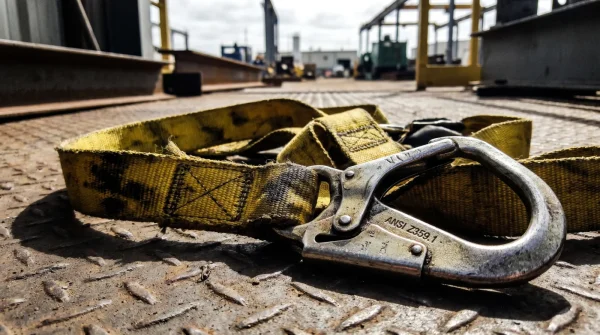
- Safety harnesses face massive supply shortages amid renewable energy hiring
- Ring lights destroy webcam focus during virtual corporate job interviews
- Standing desks create severe lumbar compression without anti-fatigue floor mats
- Noise-canceling headphones degrade auditory awareness during critical remote team meetings
- Resume paper texture causes errors in automated applicant scanning machines
Consider Elias Thorne, a 23-year-old structural welder operating out of the Midwest. Three years ago, Elias was staring down a biology syllabus he had zero interest in, watching his tuition debt tick upward with terrifying speed. He dropped out, picked up a stinger, and within eighteen months was pulling eighty-hour weeks on a natural gas pipeline, clearing six figures while his former classmates were still fighting over unpaid internships. He traded the anxiety of a mid-term for the quiet focus behind the hood. The metal does not care about his GPA; it only cares if his bead is clean and his hands are steady.
Matching the Torch to the Temperament
Not all welding is created equal, and neither is the motivation for picking up the torch. The beauty of this trade is how it fractures into different disciplines, each rewarding a specific type of mind. You are not just learning a single motion; you are choosing a medium that fits your natural disposition.
For the meticulous perfectionist, there is TIG welding. This is the neurosurgery of the skilled trades. You feed the filler rod with one hand while controlling the heat with a foot pedal, operating in incredibly tight tolerances. It is quiet, clean, and highly paid, often used in aerospace, custom automotive work, or sanitary food-grade piping. If you have the patience to watch a tiny puddle of metal swirl flawlessly, this is your discipline.
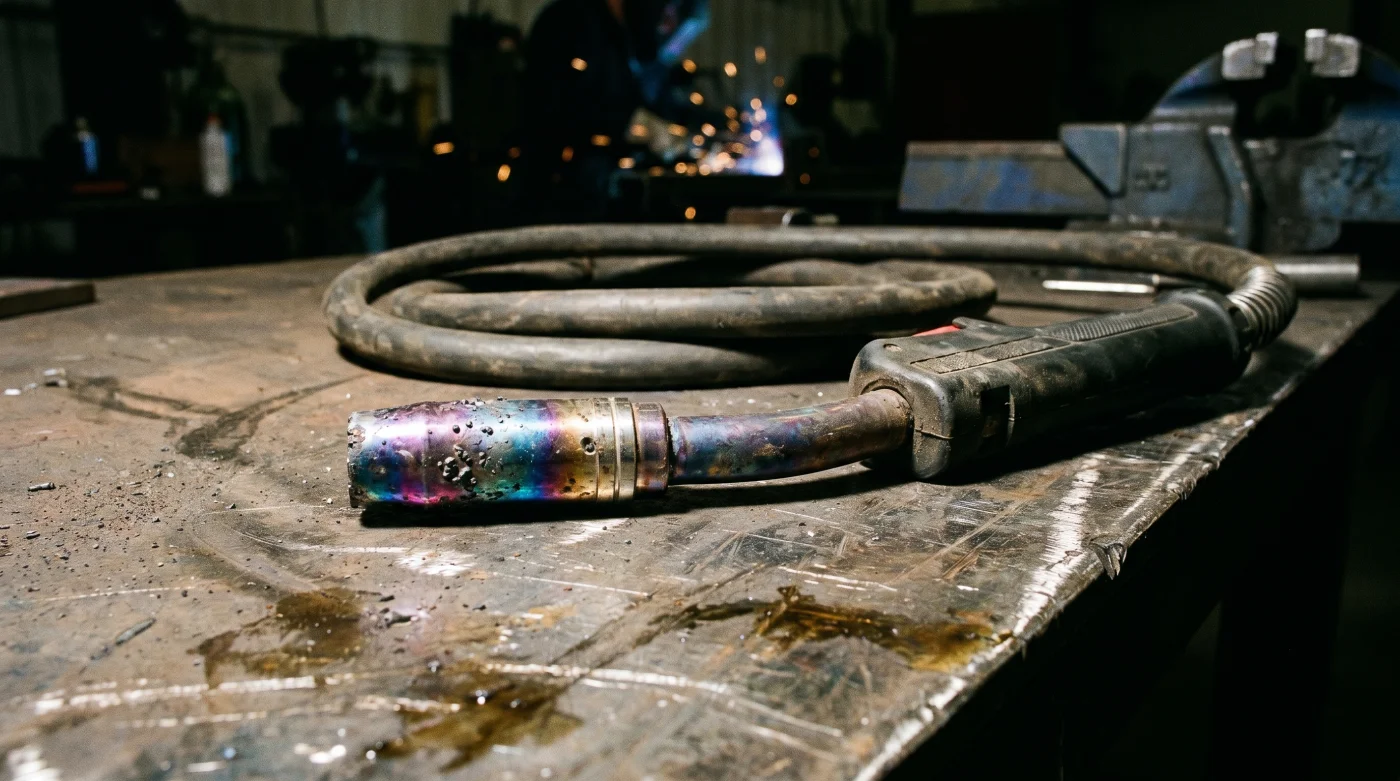
If you prefer rhythm and volume, MIG welding offers speed and heavy fabrication. It is the backbone of modern manufacturing. This is the perfect path if you want to put your head down, pull the trigger, and watch a massive project take shape by the end of your shift. It provides a faster learning curve and incredibly steady hours in indoor shop environments.
Then there is Stick welding, built entirely for the rugged, outdoor pragmatist. It works in the wind, in the rain, and on rusty metal. If you want to travel the country repairing bridges or laying pipe in the dirt, this is the raw, elemental process that will keep your boots muddy and your bank account full. It requires an aggressive, adaptable mindset.
Stepping Into the Arc
Transitioning from standard academic expectations to a physical trade requires a shift in how you prepare. You cannot simply read your way into becoming a welder; you have to train your muscles to understand the heat. You must condition your body to react to molten steel.
It starts with tuning out the noise. When you first strike an arc, your instinct is to flinch. The light is blinding, the sparks are flying, and the heat is intensely physical. You have to learn to breathe through the chaos, dropping your shoulders, softening your grip, and letting your hands find their natural glide path across the steel.
Your tactical toolkit for entering this space requires specific, deliberate investments rather than just buying textbooks. Focus on the tools that protect your body and enhance your vision:
- An auto-darkening helmet: Do not skimp here. Protecting your eyes with a responsive, high-clarity lens allows you to actually see the puddle of molten metal forming, rather than just guessing in the dark.
- Thick, fire-resistant leathers: Sparks will find every exposed millimeter of skin. A proper jacket turns a hazardous environment into a comfortable, deeply focused workspace.
- A dedicated trade program: Look for local community colleges or union apprenticeships that offer massive amounts of hands-on booth time. The classroom theory is secondary to the sheer hours spent burning rods.
- Patience with the puddle: You are learning to read liquid steel. It takes time to understand how gravity, ambient temperature, and travel speed manipulate the metal. Let yourself make ugly welds until your muscle memory locks in.
The Peace of Solid Steel
There is a profound psychological weight lifted when you realize you possess a skill that cannot be outsourced, automated, or endlessly debated. You are no longer waiting for a human resources manager to validate your worth based on a cleverly formatted digital resume. Your value is immediately verifiable by simply looking at the joint you just completed.
When you know how to join two pieces of steel permanently, you carry your economy in your own hands. The surge in search traffic for trade schools isn’t just about young people chasing a lucrative paycheck; it is about chasing agency. It is the desire to take control of the physical world in an era where everything else feels entirely virtual and fleeting.
At the end of a long shift, you push your hood up, wipe the soot from your face, and look at the physical structure you built. That structure will likely stand there for fifty years, bearing weight and holding the world together. It is a quiet, irrefutable proof of your labor, offering a deeply satisfying night of sleep that no abstract office job can ever replicate.
The truest form of job security isn’t found in a corner office, but in a pair of calloused hands that know exactly how to build the room itself.
| Process Focus | Ideal Environment | Career Value for the Welder |
|---|---|---|
| TIG Welding (GTAW) | Aerospace, exotic metals, custom fabrication shops | High precision commands premium hourly rates and offers clean, quiet working conditions. |
| MIG Welding (GMAW) | Indoor manufacturing lines, heavy machinery assembly | Fast learning curve with incredibly abundant entry-level openings across the country. |
| Stick Welding (SMAW) | Outdoor construction, pipelines, structural framing | Maximum mobility and high demand in lucrative infrastructure repair and union contracts. |
Frequently Asked Questions
Do I need a high school diploma to start a welding apprenticeship?
Generally, yes. Most unions and technical schools require a standard diploma or GED to ensure you can handle the basic math, geometry, and reading comprehension needed to decipher complex blueprints.Is welding physically damaging over time?
It can be if you ignore basic ergonomics. However, practicing proper posture, utilizing modern fume extractors, and investing in high-quality protective gear will mitigate the vast majority of physical strain and keep your lungs clear.How long does it take to get basic certifications?
Basic, entry-level certifications can be earned in as little as three to six months at a technical college, while a full, highly respected union apprenticeship takes about four years of paid, on-the-job training.Can women succeed and thrive in the welding industry?
Absolutely. The industry is actively recruiting women to fill massive labor shortages, and many foremen find that women’s fine motor skills and attention to detail make them exceptionally talented TIG welders.Will AI and advanced robotics eventually replace human welders?
Robots excel at highly repetitive, identical assembly lines. However, custom fabrication, tricky field repairs, and complex structural welds will always require the intuition, adaptability, and steady hand of a human being.